
What Are the Best AI Wedding Photo Prompts for Couples?What Are the Best AI Wedding Photo Prompts for Couples?
The clearest way to think about wedding photo style directions is as emotional briefs rather than technical commands. Instead of describing camera settings, describe the feeling: 'warm and close, like the end of a long slow dance,' or 'clean and luminous, like a quiet moment in a Paris apartment.' FondPix AI portrait generator translates those emotional directions into specific portrait styles — the more personal and specific the emotional brief, the more personal the portrait tends to feel.The clearest way to think about wedding photo style directions is as emotional briefs rather than technical commands. Instead of describing camera settings, describe the feeling: 'warm and close, like the end of a long slow dance,' or 'clean and luminous, like a quiet moment in a Paris apartment.' FondPix AI portrait generator translates those emotional directions into specific portrait styles — the more personal and specific the emotional brief, the more personal the portrait tends to feel.
emotion first
couple likeness
wedding use
What Are the Best AI Wedding Photo Prompts for Couples?
The prompt examples and style guidance below are organized by output goal — invitations, albums, announcements, and photographer briefs.
Best for couples who want more than a pretty sample
- Couples who want to use style descriptions more effectively to get AI portraits that feel personal rather than generic.
- Partners who are not sure how to describe what they want and benefit from having a set of emotionally specific style directions to start from.
- Anyone creating an AI wedding portrait brief for a photographer conversation and wanting language that communicates visual mood accurately.
What to check before choosing
- Emotional goal
- describe what you want to feel in the portrait rather than what you want the portrait to look like — and get a result that carries real emotional warmth
- Where to use it
- realistic likeness, invitation portrait, and editorial portrait for wedding planning, design, or keepsake decisions.
- Check closely
- Review likeness, closeness, hands, wardrobe, crop, text space, and whether the image feels tender.
- Real boundary
- Use AI for previews and design; keep vows, family groups, hugs, and guest reactions as real photography.
What Are the Best AI Wedding Photo Prompts for Couples?+
The clearest way to think about wedding photo style directions is as emotional briefs rather than technical commands. Instead of describing camera settings, describe the feeling: 'warm and close, like the end of a long slow dance,' or 'clean and luminous, like a quiet moment in a Paris apartment.' FondPix AI portrait generator translates those emotional directions into specific portrait styles — the more personal and specific the emotional brief, the more personal the portrait tends to feel.
Which version should we try first?+
Start with realistic likeness, then compare it with invitation portrait and editorial portrait. The first round should reveal feeling, not create too many similar images.
How do we know it fits us?+
Look beyond polish. Check whether both people still look like themselves, whether the expression feels relaxed, and whether the image supports the real wedding use.
Try these moods first
Warmer directions for What Are the Best AI Wedding Photo Prompts for Couples?
These directions are chosen to help you turn feelings into a reference that planners, designers, and photographers can understand. Compare how each one changes closeness, formality, layout space, and the way family or guests may receive the image.
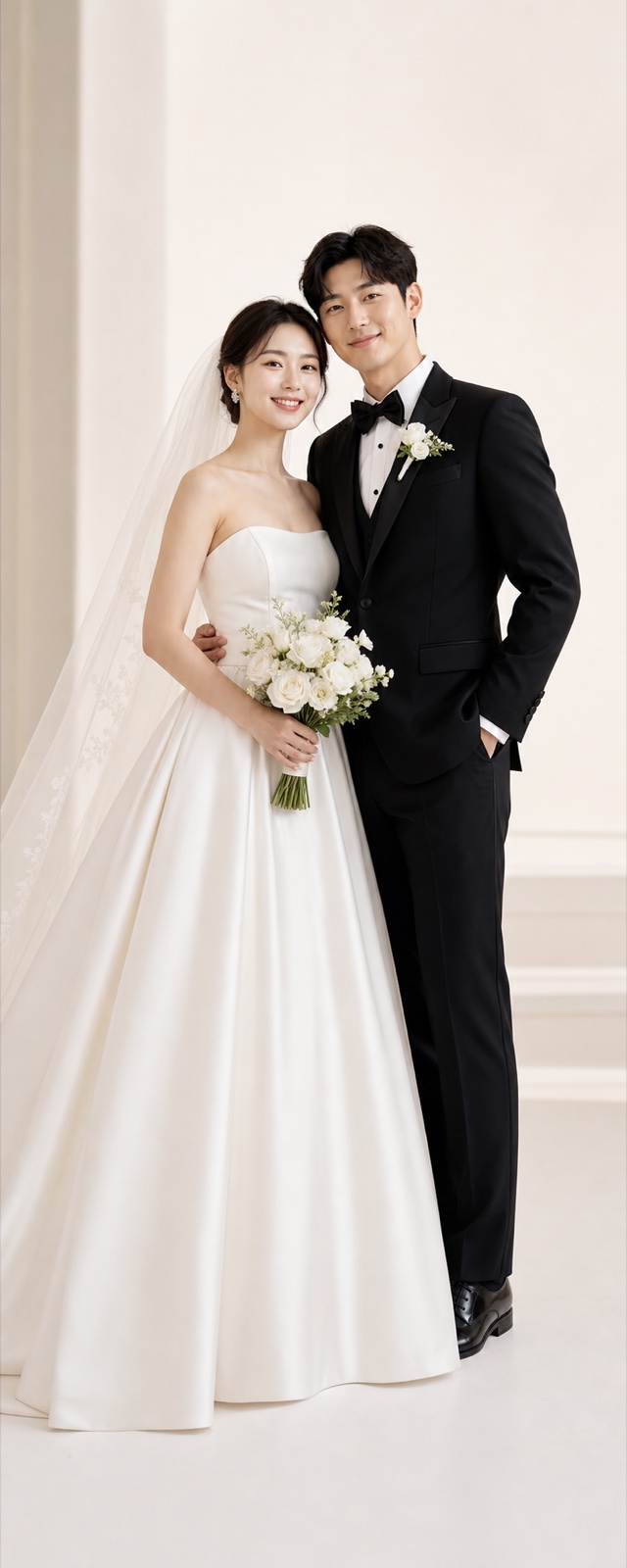
realistic likeness
This result came from a simple, clear prompt — it shows what direction language does when input is accurate.
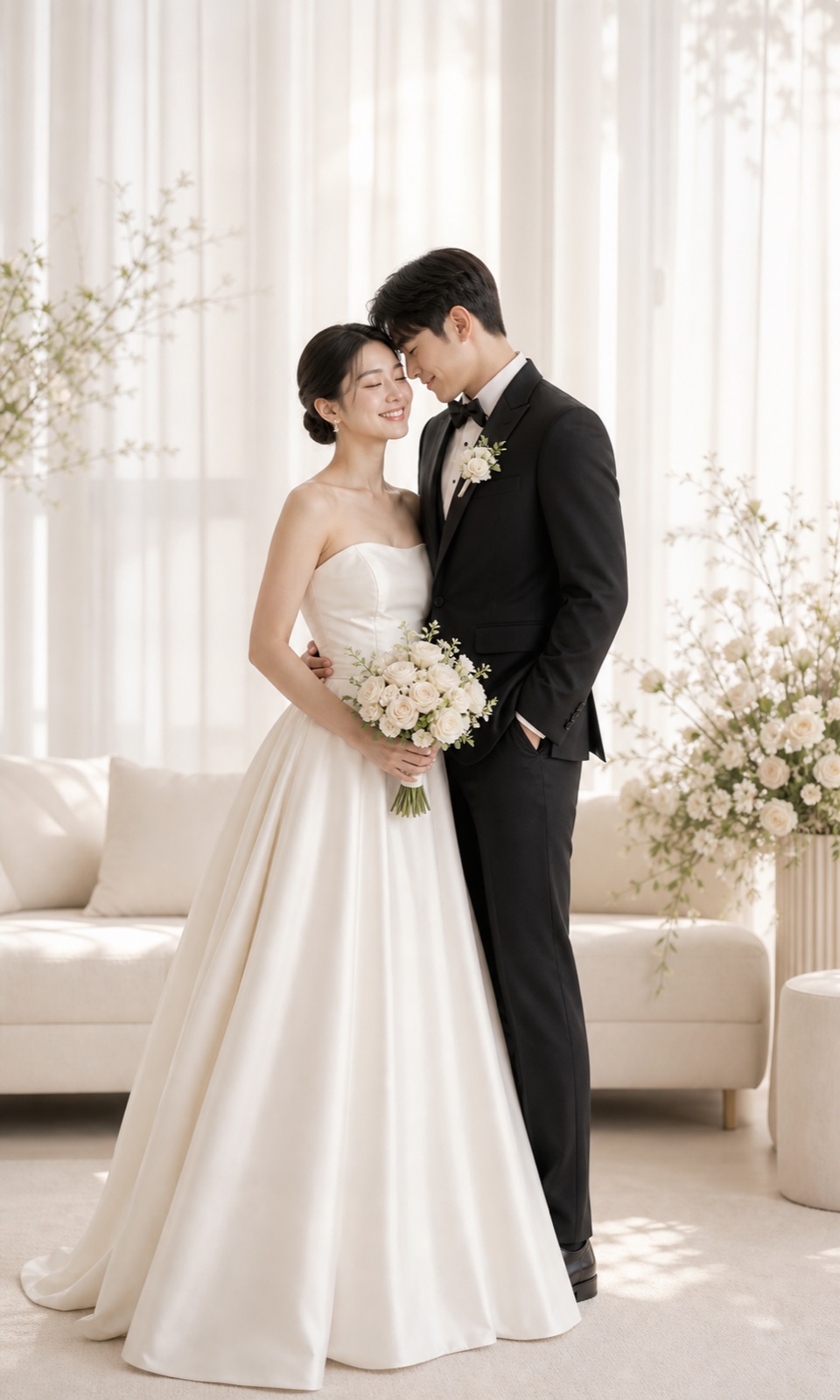
invitation portrait
Compare the invitation-focused direction — a narrow prompt creates a more usable, purpose-built result.
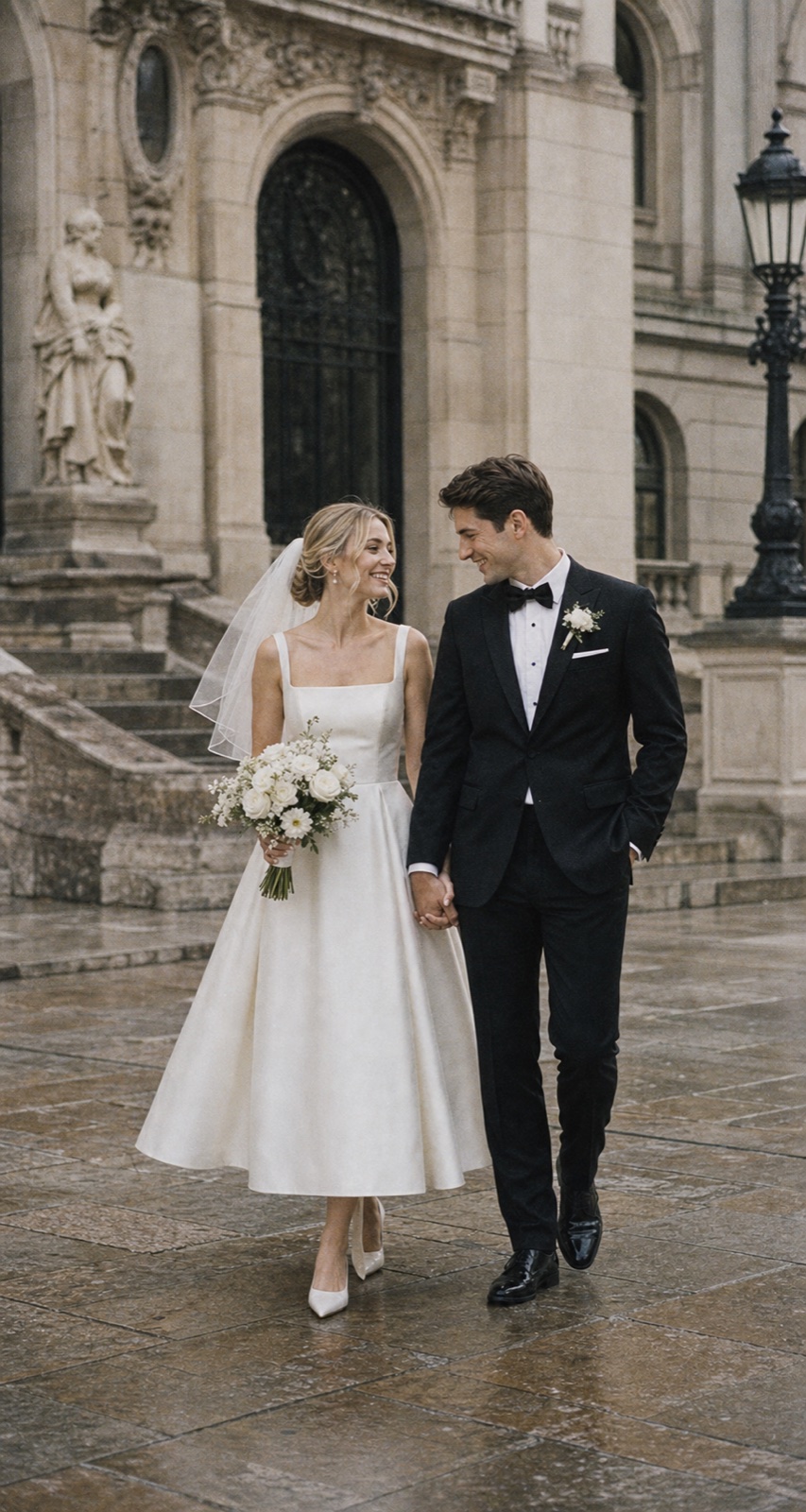
editorial portrait
Try the editorial direction to see how much the style prompt changes the mood and composition.
Try these moods first
How FondPix helps with What Are the Best AI Wedding Photo Prompts for Couples?
Move from emotion to decision: upload photos you both like, test a few clear directions, then keep the one that supports the next wedding step.
Start with photos you both approve
Use clear, natural couple photos where both faces, posture, and expression feel like you.
Name the wedding feeling
Compare realistic likeness, invitation portrait, and editorial portrait by warmth, formality, family fit, and design space.
Receive Two Wedding Portraits to Compare
FondPix creates two high-quality watermarked previews so you can see both portraits before deciding whether to keep them. If neither portrait feels right, you can leave the project unpaid. A one-time payment keeps these same two high-quality files without watermarks; it never creates replacement images.
Where this can improve the wedding experience
FondPix is most valuable before a decision becomes expensive, public, or hard to change.
realistic likeness
realistic likeness helps you judge the image from a different angle: warmth, likeness, family fit, and real wedding use.
invitation portrait
invitation portrait helps you judge the image from a different angle: warmth, likeness, family fit, and real wedding use.
editorial portrait
editorial portrait helps you judge the image from a different angle: warmth, likeness, family fit, and real wedding use.
Couple decision guide
Keep the real memories real
Use FondPix for planning, previews, invitations, album ideas, and briefs. Use real photography for vows, family groups, guest reactions, and one-time ceremony moments.
How do we know it fits us?
Look beyond polish. Check whether both people still look like themselves, whether the expression feels relaxed, and whether the image supports the real wedding use.
See both portraits, then choose what they are worth to you
FondPix creates two high-quality watermarked previews so you can see both portraits before deciding whether to keep them. If neither portrait feels right, you can leave the project unpaid. A one-time payment keeps these same two high-quality files without watermarks; it never creates replacement images.
Can FondPix replace real wedding photography?
No. Use FondPix for planning, invitations, albums, moodboards, and briefs. Keep vows, family moments, guest reactions, and ceremony memories as real photography.
What Are the Best AI Wedding Photo Prompts for Couples? FAQ
Short answers for couples who care about emotion, trust, image quality, and real wedding boundaries.
What style directions tend to produce the warmest results?+
Romantic garden, soft Korean studio, and warm golden-hour portrait directions consistently produce the most emotionally warm and personal-feeling results. These styles use diffused, even light that flatters a wide range of features and skin tones, and close couple compositions that emphasize connection over composition.
How specific should I be in describing the style I want?+
More specific is almost always better. 'Wedding portrait' is too broad. 'Soft afternoon light in an Italian garden, close together, looking at each other rather than the camera' is much more useful. The emotional specificity — who you are to each other in the image — matters more than the technical description.
What should I avoid describing if I want realistic results?+
Avoid very extreme directions — 'completely underwater,' 'floating in space,' 'surrounded by fire' — that push the AI toward speculative imagery rather than portrait photography. Stay in the register of real portrait photography: a real place, real light, real couple. The closer the direction stays to real-world photography, the more real the result tends to feel.
Can FondPix replace real wedding photography?+
No. Use FondPix for planning, invitations, albums, moodboards, and briefs. Keep vows, family moments, guest reactions, and ceremony memories as real photography.
Create a wedding image that feels like you
If these wedding portraits give you even a moment of feeling, choose the price that feels right and keep them both as part of your story.
Upload clear couple photos and compare realistic likeness, invitation portrait, and editorial portrait before you use the image for the wedding.