
Is It Ethical to Use AI Wedding Photos?Is It Ethical to Use AI Wedding Photos?
Ethical use of AI wedding photos comes down to three clear principles: consent between partners, honesty about what the image is when it matters, and clarity about the boundary between AI previews and real photographic memories. FondPix AI portrait generator creates images for planning, invitations, and moodboards — uses where the aesthetic quality matters and the authenticity of the moment does not. Using AI portraits for vows, ceremony documentation, or presenting them as real photography crosses the ethical line.Ethical use of AI wedding photos comes down to three clear principles: consent between partners, honesty about what the image is when it matters, and clarity about the boundary between AI previews and real photographic memories. FondPix AI portrait generator creates images for planning, invitations, and moodboards — uses where the aesthetic quality matters and the authenticity of the moment does not. Using AI portraits for vows, ceremony documentation, or presenting them as real photography crosses the ethical line.
emotion first
couple likeness
wedding use
Is It Ethical to Use AI Wedding Photos?
This section explores the specific ethical questions — transparency, representation, and expectations — that couples most commonly navigate.
Best for couples who want more than a pretty sample
- Couples who want to use AI wedding portraits ethically and want a clear framework for which uses are appropriate and which are not.
- Partners who have been asked by family members whether their invitation portrait was 'real' and want to understand how to be honest and warm in that conversation.
- Anyone who wants to navigate the emerging ethical questions around AI imagery in personal celebrations with thoughtfulness and integrity.
What to check before choosing
- Emotional goal
- use AI wedding portraits with clarity and integrity — knowing exactly which uses honor the real story and which ones blur it
- Where to use it
- private planning, realistic likeness, and album keepsake for wedding planning, design, or keepsake decisions.
- Check closely
- Review likeness, closeness, hands, wardrobe, crop, text space, and whether the image feels tender.
- Real boundary
- Use AI for previews and design; keep vows, family groups, hugs, and guest reactions as real photography.
Is It Ethical to Use AI Wedding Photos?+
Ethical use of AI wedding photos comes down to three clear principles: consent between partners, honesty about what the image is when it matters, and clarity about the boundary between AI previews and real photographic memories. FondPix AI portrait generator creates images for planning, invitations, and moodboards — uses where the aesthetic quality matters and the authenticity of the moment does not. Using AI portraits for vows, ceremony documentation, or presenting them as real photography crosses the ethical line.
Which version should we try first?+
Start with private planning, then compare it with realistic likeness and album keepsake. The first round should reveal feeling, not create too many similar images.
How do we know it fits us?+
Look beyond polish. Check whether both people still look like themselves, whether the expression feels relaxed, and whether the image supports the real wedding use.
Try these moods first
Warmer directions for Is It Ethical to Use AI Wedding Photos?
These directions are chosen to help you keep consent, honesty, and tenderness at the center of the image. Compare how each one changes closeness, formality, layout space, and the way family or guests may receive the image.
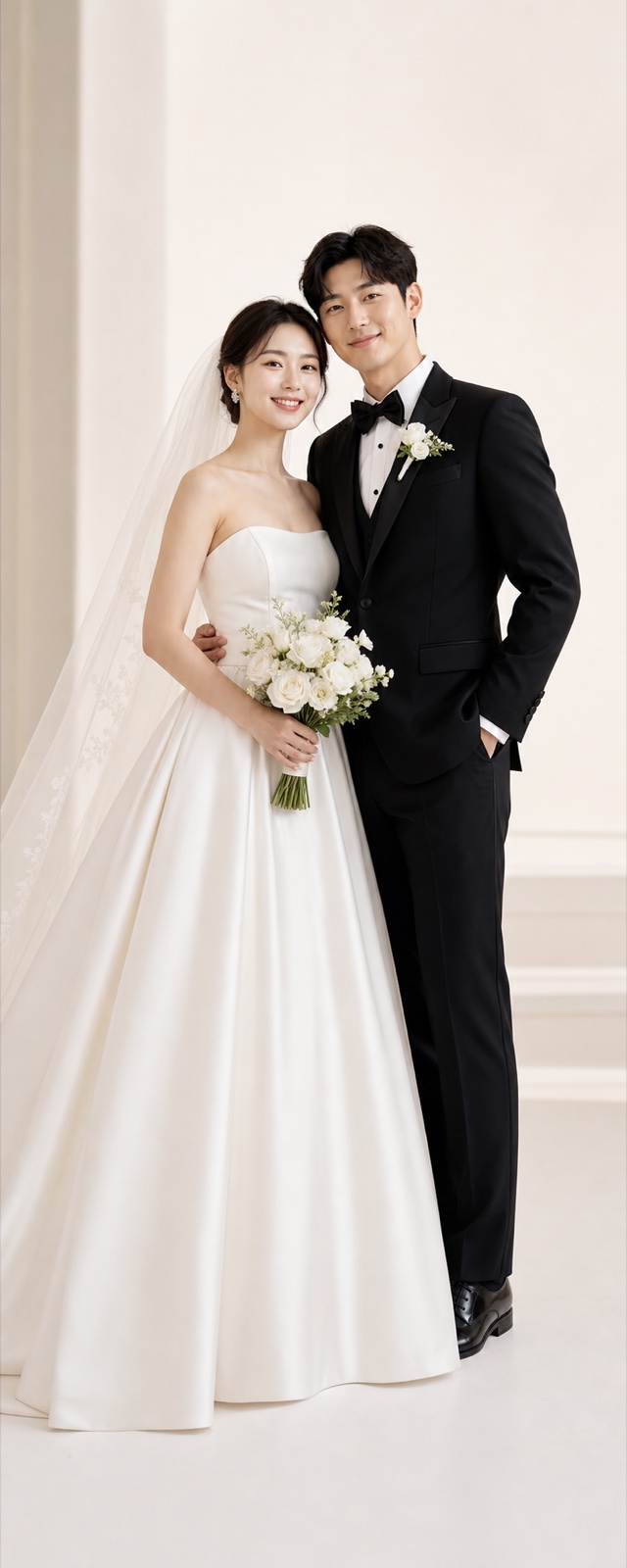
private planning
This is a private planning portrait — it is yours, it is honest, and it is not presented as real photography.
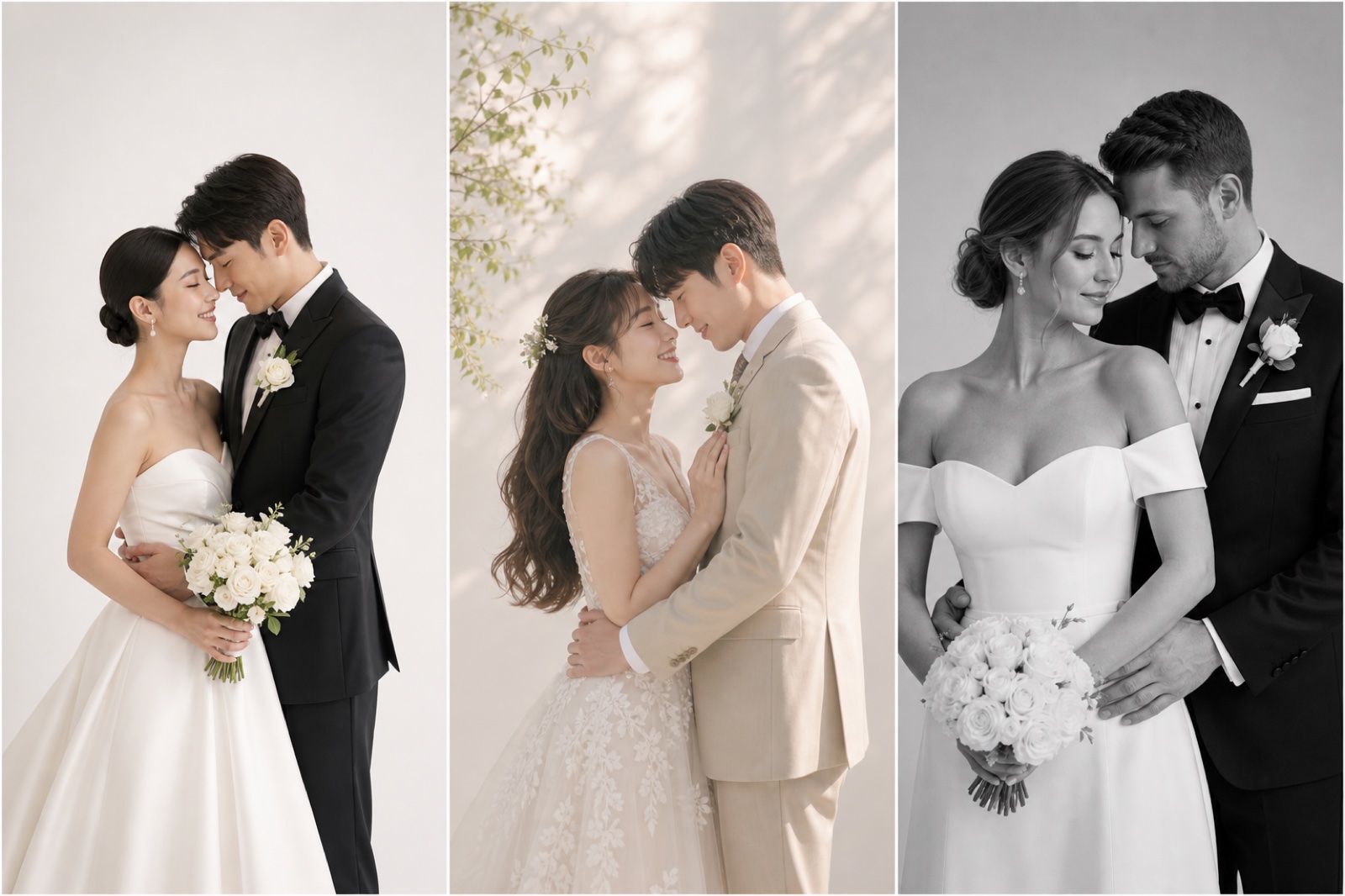
realistic likeness
Compare the realistic direction — the image looks like you both, which makes it personal rather than generic.
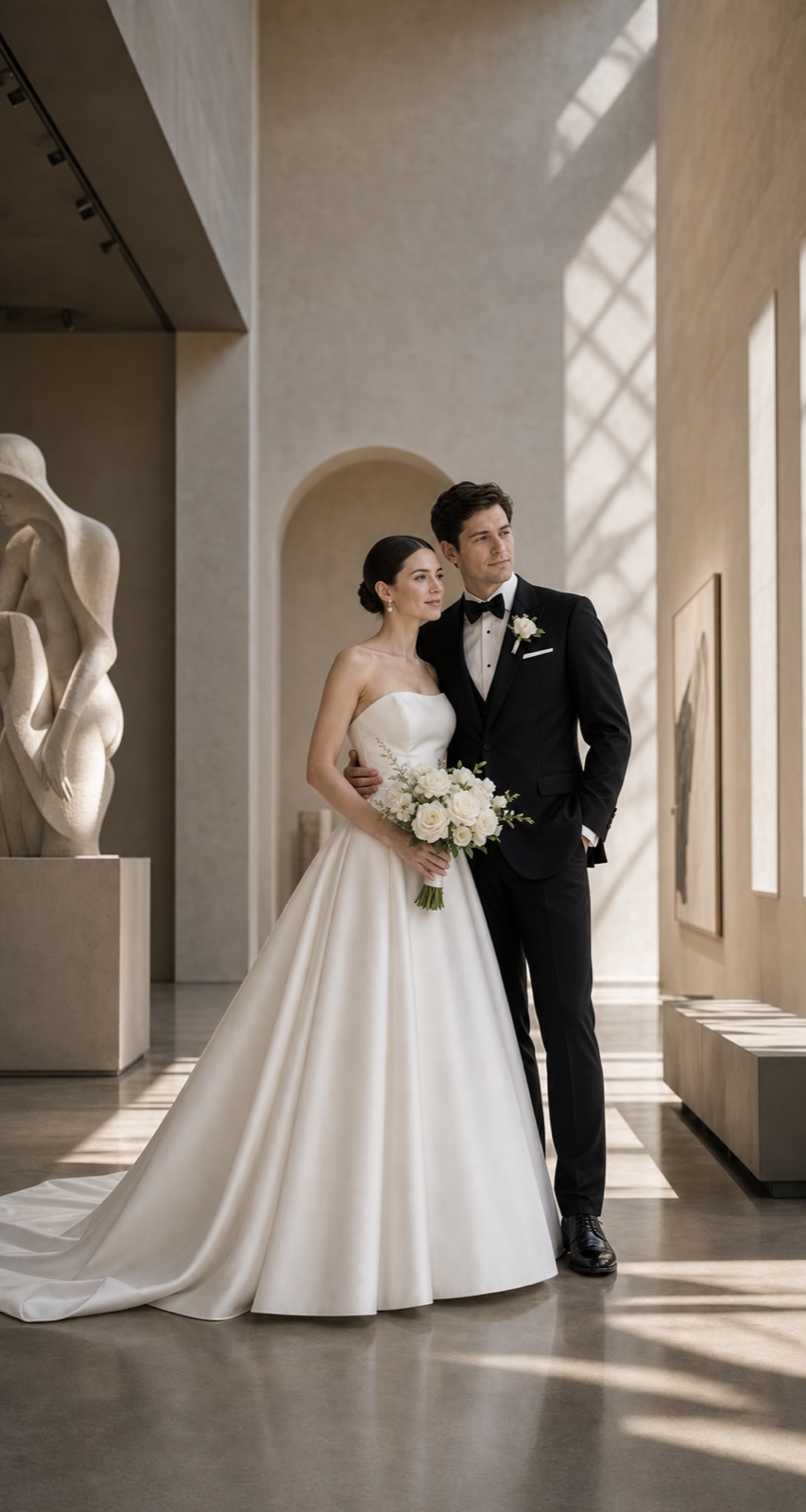
album keepsake
Share this direction to understand where AI portraits work ethically — planning, previews, and personal use.
Try these moods first
How FondPix helps with Is It Ethical to Use AI Wedding Photos?
Move from emotion to decision: upload photos you both like, test a few clear directions, then keep the one that supports the next wedding step.
Start with photos you both approve
Use clear, natural couple photos where both faces, posture, and expression feel like you.
Name the wedding feeling
Compare private planning, realistic likeness, and album keepsake by warmth, formality, family fit, and design space.
Receive Two Wedding Portraits to Compare
FondPix creates two high-quality watermarked previews so you can see both portraits before deciding whether to keep them. If neither portrait feels right, you can leave the project unpaid. A one-time payment keeps these same two high-quality files without watermarks; it never creates replacement images.
Where this can improve the wedding experience
FondPix is most valuable before a decision becomes expensive, public, or hard to change.
private planning
private planning helps you judge the image from a different angle: warmth, likeness, family fit, and real wedding use.
realistic likeness
realistic likeness helps you judge the image from a different angle: warmth, likeness, family fit, and real wedding use.
album keepsake
album keepsake helps you judge the image from a different angle: warmth, likeness, family fit, and real wedding use.
Couple decision guide
Keep the real memories real
Use FondPix for planning, previews, invitations, album ideas, and briefs. Use real photography for vows, family groups, guest reactions, and one-time ceremony moments.
How do we know it fits us?
Look beyond polish. Check whether both people still look like themselves, whether the expression feels relaxed, and whether the image supports the real wedding use.
See both portraits, then choose what they are worth to you
FondPix creates two high-quality watermarked previews so you can see both portraits before deciding whether to keep them. If neither portrait feels right, you can leave the project unpaid. A one-time payment keeps these same two high-quality files without watermarks; it never creates replacement images.
Can FondPix replace real wedding photography?
No. Use FondPix for planning, invitations, albums, moodboards, and briefs. Keep vows, family moments, guest reactions, and ceremony memories as real photography.
Is It Ethical to Use AI Wedding Photos? FAQ
Short answers for couples who care about emotion, trust, image quality, and real wedding boundaries.
Do I need to disclose that my invitation portrait is AI-generated?+
There is no legal requirement, but the most comfortable approach depends on your relationship with the recipient. For close family who ask, honest warmth — 'we used AI to create something beautiful before our actual shoot' — tends to land well. For general invitation recipients, the portrait's quality and warmth matter; the origin generally does not.
What uses of AI wedding photos are clearly appropriate?+
Planning and decision-making (style testing, moodboards, vendor briefs), invitations and stationery before the real shoot, wedding websites, save-the-dates, thank-you cards, and album planning images are all clearly appropriate. These are uses where the image serves a practical or aesthetic purpose and the 'real moment' is not being claimed.
What would be ethically problematic?+
Presenting AI portraits as real photography of your wedding day, using them as evidence of experiences that did not happen, or using them in contexts where authenticity is part of the social contract — like documentary wedding albums or photojournalistic contexts — crosses into misrepresentation. The key test is whether you are claiming the image shows something real that actually happened.
Can FondPix replace real wedding photography?+
No. Use FondPix for planning, invitations, albums, moodboards, and briefs. Keep vows, family moments, guest reactions, and ceremony memories as real photography.
Create a wedding image that feels like you
If these wedding portraits give you even a moment of feeling, choose the price that feels right and keep them both as part of your story.
Upload clear couple photos and compare private planning, realistic likeness, and album keepsake before you use the image for the wedding.